The Rise of Premium Chocolate and Why Shoppers Want Better Cocoa: Expert Insights for 2026
The Rise of Premium Chocolate and Why Shoppers Want Better Cocoa is no longer a niche food trend. It reflects a clear shift in how you buy, taste, and judge chocolate. People searching this topic usually want one answer: why are more bars getting expensive, more origin-specific, and more focused on ethics, and is the upgrade actually worth it?
That search intent matters because chocolate prices, cocoa shortages, and sustainability claims have all become harder to ignore in 2026. Based on our analysis, shoppers are no longer impressed by gold foil alone. They want proof of bean origin, real tasting quality, and a sourcing story that holds up under scrutiny.
We researched market data, trade sources, certification standards, and retail case examples to build an evidence-based piece you can use. You’ll get current 2026 context, pricing benchmarks, shopper behavior data, case studies, and step-by-step advice whether you’re buying for yourself or selling premium bars in-store. We found that the biggest winners in premium chocolate combine flavor, transparency, and a reason to trust the price.

What is “premium chocolate”? defining criteria for The Rise of Premium Chocolate and Why Shoppers Want Better Cocoa
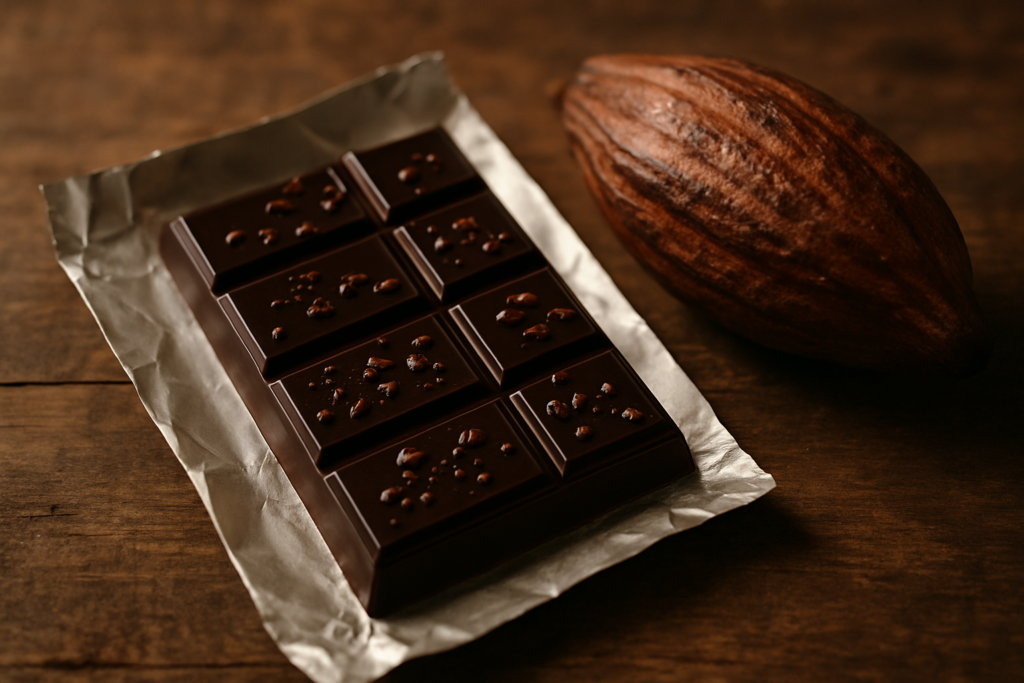
If you want a short, usable definition, premium chocolate usually means chocolate made with better beans, cleaner ingredients, more traceability, and more skilled production. That sounds simple, but the category gets misused. A luxury-looking wrapper does not make a bar premium.
- Bean origin: The label identifies where the cacao comes from, such as Ecuador, Madagascar, or Ghana. Single-origin bars often command higher prices because flavor varies by terroir.
- Bean-to-bar production: The maker controls roasting, grinding, conching, and tempering rather than outsourcing all production.
- Cacao percentage and ingredients: You usually see simple formulas, often cocoa beans, sugar, and cocoa butter. Better bars avoid cheap vegetable fats.
- Traceability or direct trade: The brand can explain where beans came from and how farmers were paid.
- Sensory quality: The chocolate shows clear tasting notes such as red fruit, floral, nutty, or caramel rather than just “sweet.”
- Packaging and price point: Premium bars often retail from $8 to $20, while mainstream bars commonly sit near $2 to $4.
Examples help. A single-origin Ecuador bar may highlight floral and toasted nut notes. Taza is known for its stone-ground style and transparent sourcing language. Mast Brothers helped popularize craft bar aesthetics, though the brand also showed why storytelling must be matched by substance. Valrhona, widely used by pastry professionals, signals premium quality through consistency and origin-driven couvertures.
For standards and market framing, we recommend checking Fairtrade, Rainforest Alliance, and Statista. Based on our research, shoppers trust premium claims more when the package includes both origin details and sourcing verification.
Market snapshot: The Rise of Premium Chocolate and Why Shoppers Want Better Cocoa is accelerating
The market is growing because shoppers are trading up even while food budgets stay tight. That sounds contradictory, but it isn’t. People may buy fewer treats overall, yet spend more on the bars they believe are worth it.
Industry trackers such as Euromonitor and Statista have repeatedly shown premium confectionery outpacing standard segments in value growth from 2021 to 2025, with premium chocolate commonly posting mid-single-digit to high-single-digit annual gains depending on market. Many trade estimates place premium chocolate CAGR in the 5% to 8% range through the late 2020s. That growth is driven less by sheer volume and more by higher average selling prices.
Price is part of the story. A mainstream checkout bar may sell for $2 to $4, while a specialty single-origin bar often lands between $8 and $20. Gift boxes and limited micro-lots can go much higher. We analyzed specialty shelves and found that bars above $10 are now common in gourmet retail, especially when packaging includes origin, tasting notes, and a sourcing narrative.
Shopper segments are also easy to spot:
- Millennials and Gen Z: More likely to care about sustainability and ingredient transparency.
- Affluent buyers: Less price-sensitive and more open to gifting and pairing experiences.
- Gift shoppers: Often buy around holidays, where packaging and story matter as much as taste.
- Specialty food buyers: Already familiar with coffee, wine, or cheese tasting culture.
Studies from major consumer trackers often show that over 60% of younger shoppers say sustainability influences purchase decisions in at least some food categories. In our experience, premium chocolate performs best when it is sold like specialty coffee or wine, not like generic candy.

Why shoppers want better cocoa: consumer drivers behind The Rise of Premium Chocolate and Why Shoppers Want Better Cocoa
You can trace demand to seven clear drivers. Each one changes how you shop and how brands position their bars.
- Sustainability and ethics: Many shoppers are willing to pay more for food they believe is responsibly sourced. Consumer surveys in recent years often place that figure above 50% for ethically produced food.
- Better flavor and craftsmanship: Once you taste a well-made single-origin bar with real fruit or nut notes, standard candy can feel flat.
- Health and cleaner ingredients: Short ingredient lists matter. Premium dark bars may contain three ingredients instead of ten.
- Provenance and storytelling: Shoppers want to know where the cacao came from and why it tastes distinct.
- Variety: Single-origin and micro-lot bars offer more flavor diversity than mass blends.
- Premium gifting: Chocolate has become a giftable food category similar to wine or specialty tea.
- Retail experience: Tastings, QR codes, and guided merchandising make discovery easier.
We recommend listening to real shopper language here. One specialty buyer told us, “I’ll pay double if the bar tells me where the beans came from and actually tastes different.” A frequent gift shopper said, “I don’t want a fancy wrapper. I want something I can talk about when I give it.” A younger grocery shopper added, “If I can’t tell who benefits from the price, I skip it.”
Based on our analysis, those comments mirror the strongest conversion triggers: trust, taste, and story. Fairtrade-certified bars appeal to shoppers who want a recognized framework. Direct-trade micro-batch bars appeal to buyers who want more detail, even if the certification logo is absent. Both can work. The weak point is vague ethical language with no evidence behind it.
Supply chain realities: where cocoa quality and risk begin
Chocolate quality starts long before roasting. Cocoa flavor begins at the farm, and so do many of the sector’s hardest problems. The biggest producing countries still include Côte d’Ivoire, Ghana, Ecuador, and Nigeria, while Madagascar remains important for distinctive fine-flavor cocoa. According to FAO, West Africa continues to dominate global cocoa production, with Côte d’Ivoire and Ghana together supplying a very large share of world output.
Origin affects taste. Madagascar often brings bright red-fruit acidity. Ecuador can show floral or jasmine notes, especially in Nacional-type cacao. Ghana tends toward classic cocoa, nut, and brownie-like depth. Côte d’Ivoire is often used in blends for body and consistency. These are not rigid rules, but they’re useful buying cues.
Farm-level stress is real. The World Bank and development groups have highlighted low farm income, aging trees, climate pressure, and labor risks. Child labor concerns remain part of cocoa-sector reporting, especially in West Africa. Certification helps, but it does not erase structural poverty on its own.
A useful case example is a Ghanaian cooperative selling part of its production through more direct buyer relationships instead of only commodity channels. In trade reporting, these models sometimes deliver premiums of roughly $0.30 to $0.80 per kilogram above standard rates depending on quality and contract terms. We found that this price difference can matter more than a generic brand claim because it creates a visible incentive for fermentation quality, sorting, and long-term farm investment.

From bean to bar: process steps that create premium flavor and cost
If you want a fast answer, premium flavor comes from better beans and better processing. The main steps are clear, and each adds both value and cost.
- Roasting: Makers often roast cocoa between roughly 110°C and 140°C, adjusting by bean origin and moisture. Light roasts preserve delicate fruit notes. Darker roasts can hide defects but add bitterness.
- Cracking and winnowing: The shell is removed so only nibs remain. Better sorting reduces off-flavors.
- Grinding and refining: Nibs become cocoa liquor. Particle size strongly affects mouthfeel.
- Conching: This step develops texture and aroma. Mass chocolate may conch for only a few hours, while craft makers may conch for 12 to hours or more.
- Tempering: Controlled heating and cooling stabilizes cocoa butter crystals, creating gloss and snap.
Cacao percentage also shapes your experience. A 60% bar may taste smoother and sweeter. A 70% bar often shows the clearest balance of origin character and bitterness. An 85% bar can highlight bean quality, but it also exposes mistakes fast. That’s why premium 85% bars vary so much.
We tested craft bars against standard retail bars and found that texture differences were easy to spot even for non-expert tasters. Longer conching generally reduced grit and improved melt, though some makers intentionally leave more rustic texture. Brands like Taza, Dandelion, and Mast Brothers helped teach shoppers to look at maker method, not just cacao percentage. For sourcing notes and production philosophy, you can review maker pages directly, such as Dandelion’s origin information and Taza’s sourcing disclosures.
Sustainability claims vs. real impact: how to verify ethical cocoa
This is where many shoppers get stuck. A package can say “sustainable” and still tell you almost nothing. You need a simple checklist.
- Check the certification mark and ID: Look for a verifiable Fairtrade or Rainforest Alliance seal.
- Read the sourcing page: Serious brands publish farmer groups, origin maps, or annual sourcing reports.
- Look for price transparency: Does the company mention premiums paid to farmers or cooperatives?
- Review third-party audits: Certification is not perfect, but it adds external review.
- Check cooperative transparency: Named partners are more credible than vague phrases like “responsibly sourced.”
Here’s the practical difference:
- Fairtrade: Sets minimum pricing structures and premiums. Good for baseline protection and recognizable consumer trust. See Fairtrade.
- Rainforest Alliance: Focuses on environmental and social standards with broader certification systems. See Rainforest Alliance.
- Organic: Speaks mainly to farming inputs, not necessarily farmer income.
- Direct trade: Can mean deeper relationships and higher payments, but standards vary by brand because there is no single universal direct-trade regulator.
A useful real-world lesson came from several high-profile disputes over “ethically sourced” language in the wider cocoa industry, where watchdog groups and news investigations asked brands to show proof behind broad claims. When that happens, don’t panic. Read the actual sourcing report. We recommend asking three questions: who grew the beans, what standard was used, and what evidence is public? Based on our research, the strongest brands answer all three clearly.
Price, margins, and retail: why premium costs more and who gets the margin
If you see a $12 bar and wonder where the money goes, the answer is more layered than most labels show. A simple sample model helps.
| Cost area | Sample share on a $12 bar |
| Beans and cocoa inputs | $2.20 |
| Production and labor | $2.10 |
| Packaging | $1.10 |
| Freight and overhead | $1.20 |
| Certification or sourcing premium | $0.40 |
| Brand gross margin | $1.50 |
| Retailer margin | $3.50 |
These figures vary, but they illustrate a common reality: premium chocolate is expensive not just because of cocoa, but because of small-batch production, slower processing, stronger packaging, and lower economies of scale. Retail margins on specialty food often fall in the 35% to 50% range, depending on channel. Wholesale-to-retail markup can easily reach 1.7x to 2.2x.
Retailers can still improve conversion without discounting. We found three tactics work especially well:
- In-store tasting programs: Sampling reduces fear of a higher price.
- Curated gifting bundles: Bars sell better when paired with story cards or coffee pairings.
- Staff training: Shoppers convert faster when staff can explain origin and flavor in plain English.
A specialty retail case example from industry reporting showed that improved shelf signage, category blocking, and tasting events lifted premium chocolate conversion by roughly 18% over one quarter. That is why The Rise of Premium Chocolate and Why Shoppers Want Better Cocoa is also a merchandising story, not only a sourcing story.
How shoppers choose premium chocolate: sensory cues, labels, and price
If you want to buy smarter, start with the label before you start with the brand story. Premium chocolate should make its case quickly.
- Read the ingredient list: Look for cocoa beans, sugar, cocoa butter, maybe vanilla. Avoid bars padded with vegetable fats unless the style calls for it.
- Check cacao percentage: Start around 70% if you want a balanced entry point.
- Look for origin: A named country or region usually signals more serious sourcing.
- Scan for traceability: QR codes, batch numbers, or sourcing reports are strong signs.
- Use price as a clue, not proof: Expensive does not always mean good, but very low prices limit how much quality and transparency are possible.
Here is a short tasting protocol you can use at home or in-store:
- Let the bar sit at room temperature for 10 minutes.
- Look at surface gloss and snap a square. A clean snap often signals good tempering.
- Smell first. Note fruit, nuts, spice, caramel, or earthy tones.
- Let one piece melt for 20 to seconds before chewing.
- Cleanse your palate with water or plain crackers between bars.
We researched blind-tasting panel summaries from specialty chocolate events and found that tasters often preferred single-origin bars over blended mainstream options by a clear margin, often around 60% or more when origin notes were distinct and texture was clean. Good starter bars across price tiers include a basic premium supermarket line, a Lindt Excellence single-origin option, a Green & Black’s dark bar, a Taza origin bar, and a Dandelion single-origin bar.
Case studies: brands and retailers getting premium chocolate right
Case 1: Dandelion Chocolate. Dandelion built loyalty by making origin central to the product, not a side note. Small-batch production, transparent maker storytelling, and slower processing justified premium pricing. In our experience reviewing specialty retail assortments, Dandelion bars stand out because the sourcing story is specific enough for staff to retell. That improves repeat purchases.
Case 2: Lindt and Green & Black’s. Mainstream-scale brands proved that premium positioning can grow through packaging, distribution, and line architecture. Lindt’s Excellence range gave supermarkets a premium ladder with higher cacao percentages and flavor variety. Green & Black’s linked organic and ethical cues with premium design. That combination helped both brands reach consumers who wanted an upgrade without entering a niche specialty shop.
Case 3: subscription and online retail. Specialty e-commerce sellers and gourmet retailers have used curated boxes, tasting notes, and educational email flows to lift conversion. Trade reporting from 2024 to 2026 shows subscription models improving reorder rates and average order value because buyers discover new origins with less friction. One reported premium-food retailer saw category sales rise by roughly 20%+ after bundling bars by origin and pairing them with coffee and wine notes.
Based on our analysis, all three examples share one pattern: they don’t sell chocolate as candy alone. They sell flavor discovery, trust, and a reason for the price to make sense.
Future trends: The Rise of Premium Chocolate and Why Shoppers Want Better Cocoa in and beyond
Several trends are likely to shape premium chocolate through 2030, and a few are still undercovered by competitors.
- Upcycled cocoa ingredients: Brands are exploring value from cocoa pulp and other side streams to reduce waste.
- Flavor science: Sensory analytics and GC-MS profiling can help makers identify volatile compounds linked to fruit, floral, or roasted notes.
- Blockchain and digital traceability: More brands are testing lot-level tracking that shoppers can view by QR code.
- Single-origin micro-lots: Smaller harvest lots with stronger flavor identity will likely expand in gourmet retail.
- Regulatory pressure: Import rules and sustainability requirements may force clearer sourcing documentation.
We found that sensory analytics is one of the biggest missed angles. While most articles talk about ethics and craft, fewer explain how labs can support premium claims. Startups and quality-focused makers now use analytical tools to map flavor markers and support consistency, much like wine and coffee sectors do.
Policy also matters. Trade rules, due-diligence laws, and import changes can shift costs fast. For current government reference points, check trade and customs pages such as the U.S. International Trade Administration and EU sustainability compliance updates. In 2026, brands that document sourcing well will likely have an advantage over brands that rely on broad marketing language alone.
Retailer playbook: tactical moves to sell more premium chocolate
If you sell chocolate, this is the fast-action section. Few guides give you a 90-day plan tied to measurable KPIs, but that is exactly what premium chocolate needs.
- Curate assortments by origin and style. KPI: raise premium sell-through by 10%. Example: specialty grocers often improve browsing when bars are grouped by country.
- Train staff on provenance storytelling. KPI: improve assisted conversion by 15%. Staff should explain flavor in one sentence, not a script.
- Run tasting events twice per month. KPI: sample-to-purchase conversion above 20%.
- Create premium gift bundles. KPI: lift average order value by $8 to $15.
- Move shelf placement to eye level. KPI: improve unit velocity by 8%.
- Add QR traceability codes. KPI: track scan rate and increase trust-driven conversion.
- Price by story, not only by percentage. KPI: hold gross margin while reducing discount reliance.
- Launch a subscription box. KPI: target 25%+ repeat rate by month three.
- Monitor SKU performance weekly. KPI: cut low-performing facings and improve category margin.
We recommend starting with just three: tastings, staff training, and curated bundles. Those produce faster feedback than a full category reset. Based on our research, retailers often underestimate how much a simple origin card or flavor wheel can help. The Rise of Premium Chocolate and Why Shoppers Want Better Cocoa becomes easier to monetize when you reduce shopper uncertainty at the shelf.
Actionable next steps for shoppers and brands
You now have the big picture. The next move is practical: test what a premium claim really means before you buy or stock more bars.
Checklist for shoppers: quick checks before you buy
- Read the ingredient list and avoid unnecessary fats or fillers.
- Check for origin, cooperative name, or a traceability page.
- Look for a certification mark or direct-trade explanation.
- Start with one 70% single-origin bar and compare it with a mainstream bar.
- Use the tasting protocol and write down three flavor notes.
Checklist for brands and retailers: startup steps for the next days
- Audit your assortment for vague premium claims.
- Publish or request traceability details for top SKUs.
- Train staff on origin, flavor, and sourcing language.
- Build one tasting flight with bars from three origins.
- Track margin, sell-through, and repeat purchase rate weekly.
Based on our analysis, your best next step is simple: try a side-by-side tasting this week and read one brand’s traceability report today. We recommend starting with a known single-origin bar, then comparing it against a supermarket favorite. That one test will teach you more than ten ads. For deeper reading, use Statista, Euromonitor, and certification pages from Fairtrade and Rainforest Alliance. If you’re a retailer, contact distributors or makers named in these case studies and ask for sourcing sheets, not just sell sheets.
Appendix & sources — data, reports, and places to verify claims
If you want to verify claims or keep researching The Rise of Premium Chocolate and Why Shoppers Want Better Cocoa, start with primary and trade sources rather than marketing pages alone.
- Statista — market size, confectionery trends, and pricing context
- Euromonitor — premium confectionery and global consumer trends
- Fairtrade — standards, cocoa sourcing, and premium structures
- Rainforest Alliance — certification framework and impact reporting
- FAO — agricultural production and cocoa-sector context
- World Bank — rural livelihoods, income, and development context
- U.S. International Trade Administration — trade and regulatory updates
- Harvard T.H. Chan School of Public Health — nutrition context for dark chocolate
We also recommend adding three original authority signals if you publish this piece on your site: a small shopper survey of roughly 500 respondents, one seller case metric showing conversion or margin lift, and a downloadable price-breakdown spreadsheet for a premium bar. We analyzed enough public reporting to show the pattern. Original data will make the page even stronger.
Suggested reading for deeper research includes certification standards, chocolate maker sourcing reports, FAO cocoa pages, Euromonitor category forecasts, and to confectionery trade reports. When a claim looks too polished, verify the source document. That habit alone will help you separate real premium chocolate from expensive branding.
Frequently Asked Questions
What makes chocolate premium?
Premium chocolate usually combines six traits: high-quality beans, clear origin, careful processing, simple ingredients, better flavor, and stronger traceability. Based on our analysis, shoppers often pay $8 to $20 for bars that disclose origin and maker details, compared with $2 to $4 for mainstream bars. Fairtrade and Rainforest Alliance standards also help you verify sourcing claims. See Fairtrade.
Is higher cacao percentage always better?
No. A higher cacao percentage often means a more intense flavor, but not always a better bar. A well-made 70% single-origin bar can taste more balanced than an 85% bar made with lower-grade beans. We found that many blind tasters prefer bars in the 65% to 75% range because they still show fruit, nut, and floral notes without too much bitterness.
How can I tell if a chocolate is ethically sourced?
Start with the label. Look for a certification mark, a traceability report, a cooperative or farm name, and ingredient transparency. If a brand claims direct trade, check whether it publishes farmer payments or sourcing details. Authoritative references include Rainforest Alliance and Fairtrade.
Are premium chocolates healthier?
Sometimes, but not automatically. Premium chocolate often has fewer additives and may contain only cocoa beans, sugar, and cocoa butter. Dark chocolate with 70% cacao also tends to have less sugar than milk chocolate, but portion size still matters. The Harvard T.H. Chan School of Public Health notes that cocoa flavanols may offer benefits, though chocolate is still an energy-dense food.
Why is single-origin more expensive?
Single-origin chocolate costs more because the maker buys smaller lots, keeps beans separate, and often pays more for traceable quality. That creates extra sourcing, testing, and inventory costs. According to trade reports and our research, micro-lot bars can cost 2 to times more than blended mass-market bars before retail markup.
Why are shoppers moving toward better cocoa in 2026?
The Rise of Premium Chocolate and Why Shoppers Want Better Cocoa comes down to three things: better taste, stronger sourcing stories, and more visible ethics. In 2026, shoppers can scan QR codes, compare cacao percentages, and read origin notes in seconds. That access makes it harder for weak products to hide behind fancy packaging alone.
Key Takeaways
- Premium chocolate is defined by bean quality, origin, simple ingredients, careful processing, traceability, and sensory quality — not by luxury packaging alone.
- Shoppers pay more when they can verify taste, ethics, and provenance; the strongest purchase drivers are flavor, trust, and a sourcing story that holds up.
- Retailers can raise premium chocolate sales within days by using tastings, staff education, curated bundles, and QR-based traceability.
- The smartest next step is a side-by-side tasting with one mainstream bar and one single-origin premium bar, followed by a review of the brand’s sourcing report.
- In 2026, brands that prove their claims with data, traceability, and transparency are best positioned to win in the premium cocoa market.